PLC vs IPC: Which Controller Fits Your Production Line?
Choose a PLC for deterministic cycles and high-speed I/O. Pick an IPC when your line needs complex software, vision systems, or heavy data processing. The decision depends on control speed, task complexity, and integration needs.
- Use PLCs when cycle times are short and I/O speed matters most.
- Choose IPCs for applications requiring vision, heavy data processing, or complex software.
- Many lines now run PLC and IPC together to split deterministic control from non-deterministic tasks.
- Controller selection affects maintenance, software updates, and long-term system upgrades.
- Check total cost of ownership, not just hardware price.
Start with the control cycle
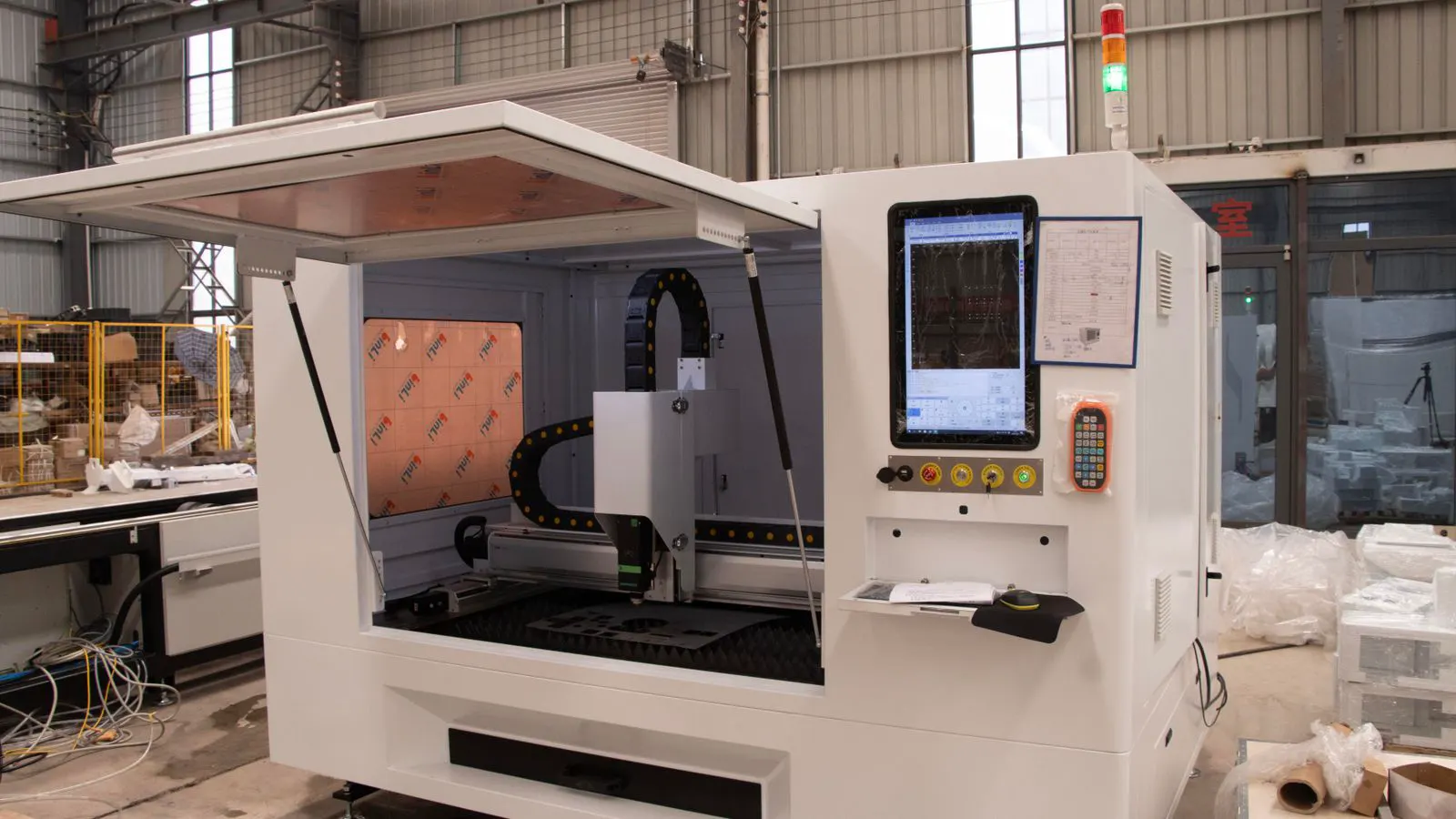
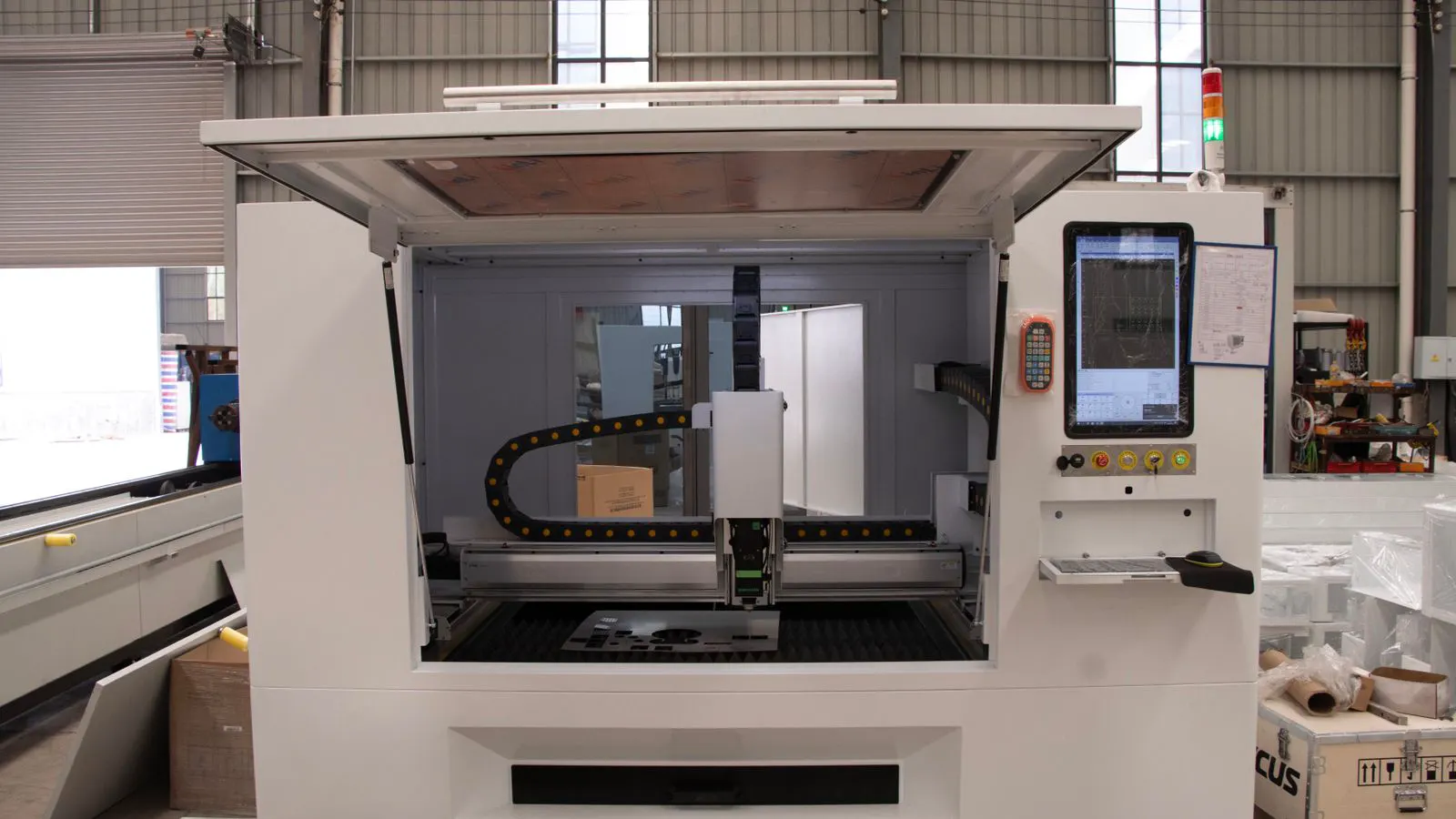
The first question is how fast the line actually moves. A CNC cell, a high-speed filler, or a packaging line often needs millisecond-level cycle times. A PLC handles those deterministic tasks well because its architecture is built for predictable execution. The controller reads inputs, runs the logic, and writes outputs in a fixed loop. That loop is short and consistent. The scan time is set by the programmer and the hardware. If the cycle is 5 milliseconds, the PLC executes every scan within that window. The timing is rigid. The machine expects that rigidity. A servo drive that receives a command every 5 milliseconds will track the position accurately. If the command arrives at 4.8 milliseconds or 5.2 milliseconds, the drive may still correct, but the system loses precision.
An IPC runs on a general-purpose operating system. It can process complex data, run vision software, and communicate with many systems. But the operating system introduces variable delays. A background task, a disk read, or a network packet can delay the next logic run. The scheduler decides when to run your process. Other processes compete for CPU time. Disk I/O waits on the storage controller. Network interrupts arrive at random times. That variability is usually acceptable for slower processes. It is not acceptable for a servo drive that expects a stable command rate. For a slow batch process, a delay of 50 milliseconds may be invisible to the operator. For a high-speed injection molding machine, the same delay can cause a cycle error.
Compare the options
The table below shows the main trade-offs between the two controller types.
| Option | Best for | Limitations |
| PLC | Deterministic control, high-speed I/O, safety logic | Limited processing power, restricted software ecosystem, harder to run complex applications |
| IPC | Vision systems, heavy data processing, complex software, HMI integration | Variable cycle times, less suitable for high-speed servo control, larger physical footprint |
| Motion controller | Servo drives, coordinated multi-axis movement | Often paired with a PLC or IPC, adds cost, requires specialized programming |
| Edge gateway | Data collection, cloud connectivity, protocol conversion | Not a primary controller, adds a network layer, introduces another point of failure |
| Industrial coprocessor | AI inference, advanced analytics, sensor fusion | Requires a host controller, adds integration work, specialized hardware |
The motion controller is often overlooked in simple comparisons. It is a specialized device designed for precise axis control. It handles the mathematics of trajectory planning and servo communication. It usually does not handle safety or general I/O. You often pair it with a PLC for safety and an IPC for data. The edge gateway sits between the factory floor and the corporate IT network. It handles protocol translation and data aggregation. It is not a controller. It does not run the machine logic. The industrial coprocessor is a newer category. It handles specific tasks like AI inference or sensor fusion. It offloads work from the main controller. It requires a host controller to manage the overall process.
When a PLC is the right choice
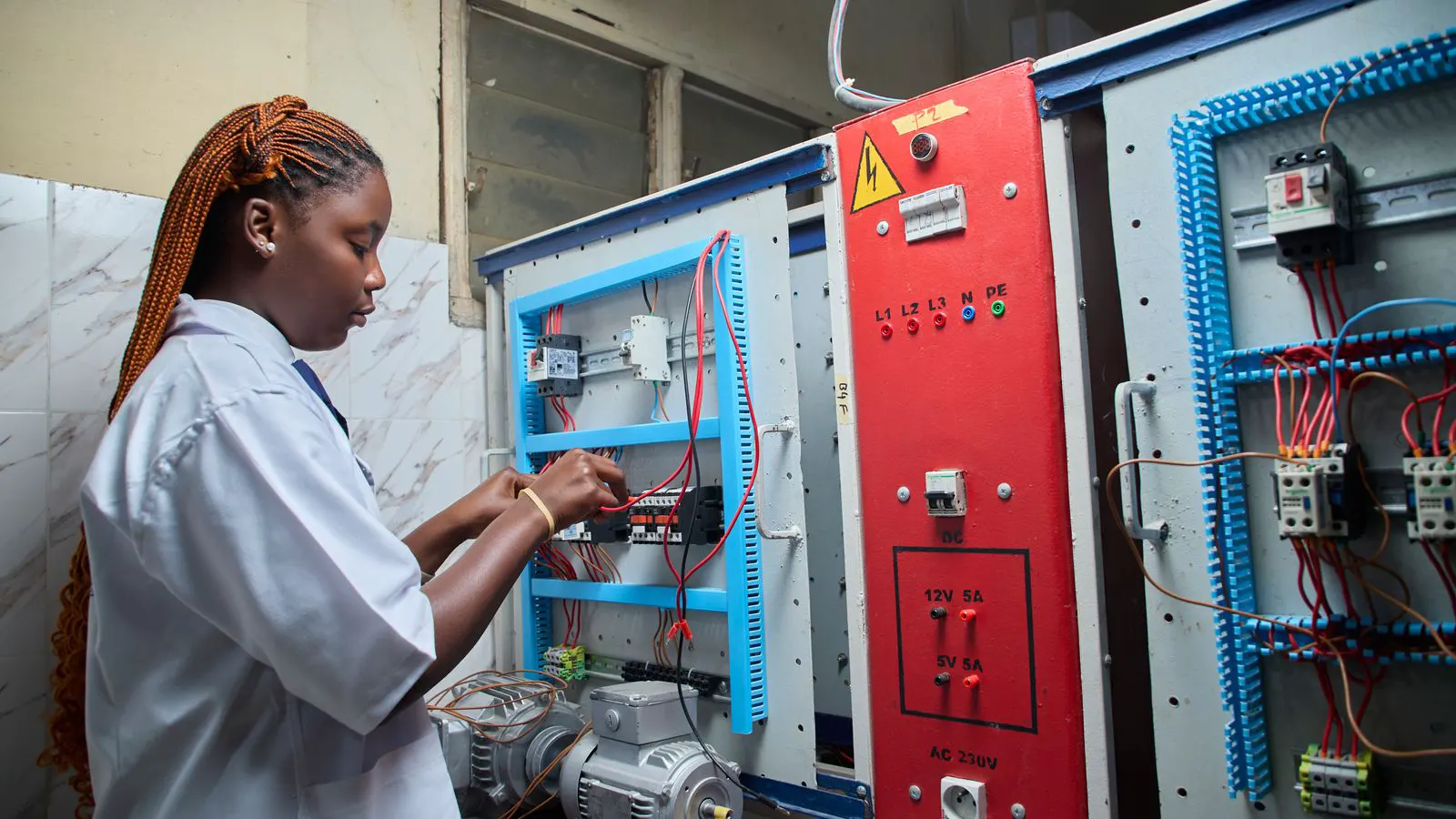
A PLC is the default for most production lines. The reasons are simple. It is fast, deterministic, and proven. The I/O is mapped to physical addresses that map to field devices. A program can read a limit switch and turn on a pump in the same cycle. That predictability matters when a small delay can cause a product to be rejected or a machine to stop. The physical wiring is direct. The signal goes from the sensor to the input card, through the logic, and out to the relay or transistor. The path is short and controlled.
PLCs also handle safety functions well. Many models support safety-rated logic, and the safety PLC is a well-understood category. If your line has e-stop circuits, light curtains, or two-channel safety relays, a PLC is a natural fit. The logic is written in ladder, function block, or similar languages. Maintenance is straightforward because the code structure is easy to read and audit. A technician can see the logic flow. They can trace the signal from the input to the output. The code is often short and readable. A complex safety function might be ten lines of ladder logic. It is easy to verify.
Consider a simple assembly line. A robot picks up a part. A sensor detects if the part is present. If the part is not present, the robot stops. If the part is present, the robot places it on the conveyor. This logic is simple and fast. A PLC handles it perfectly. The response time is in milliseconds. The machine stops immediately if the sensor fails. There is no delay for the operating system to schedule a task. The hardware handles the interrupt. The logic runs in a fixed loop.
When an IPC is required
An IPC becomes necessary when the control task is not just on/off or timing. Think of a machine that inspects a printed circuit board with a camera. The IPC captures images, runs image recognition, and sends pass/fail results to the line. That work is heavy. A PLC cannot run modern vision software. It cannot process gigabytes of data per hour. The vision software needs to load models, process pixels, and compare results. It requires significant CPU and memory power. It runs on a Linux or Windows operating system. The IPC provides that environment.
IPC also fits when the line needs to communicate with many systems. A plant historian, a cloud dashboard, and a third-party scheduling tool may all need to read the same data. An IPC runs standard drivers and open protocols. It can handle OPC UA, MQTT, and SQL databases. The software is more flexible. You can build a custom application without waiting for a controller firmware update. The developer can use standard programming languages. They can access the internet, though in a controlled way. They can run a web server for the HMI. They can connect to a local area network.
Consider a pharmaceutical filling line. The machine fills bottles. A camera inspects the fill level. The IPC captures the image and checks if the level is correct. It also reads the batch number from a barcode scanner. It sends the data to the plant historian. It logs the result in a database. If the fill level is low, it sends a signal to the PLC to reject the bottle. The IPC handles the data and the vision. The PLC handles the rejection. The IPC cannot reliably control the rejection in real-time. The data processing takes too long. The PLC does the fast part. The IPC does the slow part.
Hybrid approaches are common
Many modern lines do not choose one or the other. They use both. The PLC handles the machine. The IPC handles the data. This split keeps the control loop stable and gives the software team the power they need. The architecture is clear. The PLC is the muscle. The IPC is the brain for data and logic.
A typical setup looks like this. The PLC runs the conveyor, the robots, and the safety functions. It sends a heartbeat signal to the IPC. The IPC reads that signal, logs the state, and displays it on the HMI. The IPC also handles the vision system and sends the result back to the PLC as a digital input. The PLC acts on that input and rejects the product. The communication between the two is usually over Ethernet. It is fast and reliable. The IPC sends data only when needed. It does not send it every millisecond. It sends it when the vision result is ready. The PLC waits for that result. If the result is negative, it rejects the product. If the result is positive, it continues.
This hybrid model adds cost. It adds a network switch. It adds two controllers to maintain. It adds a cabling run between the two. But it solves a problem that a single controller cannot. You get deterministic control and flexible software in the same system. The PLC stays simple. The IPC stays complex. They do each other’s job well. The maintenance team knows what to do for each. The PLC technician handles the PLC. The software engineer handles the IPC. The roles are clear.
Controller selection for new projects
Start with the process speed. If the cycle time is under 10 milliseconds, a PLC is usually the right base. If the cycle is 100 milliseconds or more, an IPC can handle the control logic. But do not rely on the IPC for safety. Use a dedicated safety controller or a safety PLC for those functions. The safety logic must be independent of the data processing. If the vision system crashes, the safety function must still work. The safety PLC or controller handles that.
Next, count the I/O. A PLC with 1000 points is easy to wire and maintain. The I/O is on the controller or in nearby racks. The wiring is short. The signal quality is high. An IPC with 1000 points needs industrial I/O modules, which adds cost and complexity. The I/O cards for an IPC are not always as rugged as PLC modules. Check the environmental ratings. Heat, dust, and vibration all matter in a factory. The IPC is often larger. It draws more power. It needs cooling. The I/O modules may be external. The wiring is longer. The signal noise is higher. You need to design the electrical system carefully.
Then, look at the software needs. If the line needs a custom database, a custom HMI, or a custom vision algorithm, an IPC is easier to build. The development tools are standard. The team can use C++, C#, or Python. They can access the web. They can use open-source libraries. A PLC uses vendor-specific tools. The code is locked to the controller platform. If the vendor goes out of business, the code is hard to port. The development is slower. The team needs special training. The cost of development is higher per feature.
Cost of ownership beyond hardware
The hardware price is only part of the decision. A PLC system is cheaper to buy but can be expensive to modify. Adding a new function may require a firmware update. A new I/O card may be discontinued in five years. The software is harder to port to another controller. The vendor lock-in is real. If you change the controller, you rewrite the logic. You retest the system. You pay for the new hardware. You pay for the engineering time.
An IPC system is more expensive to start. The hardware is larger. The power requirements are higher. The cooling is more complex. But the software is open. You can update the logic without replacing the hardware. You can use standard drivers. The system can be upgraded by adding RAM or a new CPU. That flexibility saves money over the life of the line. The software can be developed by a local team. The team can use standard tools. The cost of development is lower per feature. The system is easier to maintain. The team can fix bugs without waiting for a vendor update.
Maintenance and skills
PLCs are easier to maintain. The code is short. The logic is clear. A technician can read the ladder diagram and find a fault quickly. The I/O points are physical. You can check them with a multimeter. The troubleshooting path is direct. If the output is not working, you check the relay, the wire, and the load. If the input is not working, you check the sensor and the wire. The logic is simple. The fault is usually in the field.
IPC troubleshooting is different. A fault can be in the hardware, the OS, the drivers, or the application. A crash may be caused by a memory leak or a network timeout. The logs are more complex. The technician needs more skills. They need to read system logs. They need to check the drivers. They need to debug the application. Many plants hire a software engineer for IPC maintenance. That is a different cost than hiring a PLC technician. The software engineer is more expensive. They are in shorter supply. The maintenance time is longer. The downtime is higher.
Final guidance
The answer to PLC vs IPC is not one or the other. It is the right tool for the right job. Use a PLC for the machine. Use an IPC for the data. Use a hybrid when both are needed. Check the cycle time. Check the I/O count. Check the software complexity. Then make the selection based on facts, not trends. The line that works well for ten years is the one built on a clear understanding of what each controller does best. Start with the process. Define the requirements. Choose the controller. Test the system. Document the setup. The decision is not about which technology is better. It is about which technology fits your specific needs.
Frequently asked questions
Can an IPC run a safety function?
No. IPCs are not suitable for safety functions. Use a dedicated safety controller or safety PLC for safety logic.
How many I/O points can a PLC handle?
PLCs can handle hundreds to thousands of points. The exact number depends on the model and I/O card options.
What is the main advantage of an IPC?
The main advantage is software flexibility. IPCs can run vision, databases, and complex applications that PLCs cannot.
Is a hybrid system more expensive?
Yes. A hybrid system costs more than a single controller. But it can save money by avoiding a full system replacement when software needs change.
Which controller is easier to maintain?
PLCs are generally easier to maintain. The code is short and the I/O is direct. IPCs require more troubleshooting skills.